Architecture
Component view
What the pieces are and how they talk to each other.
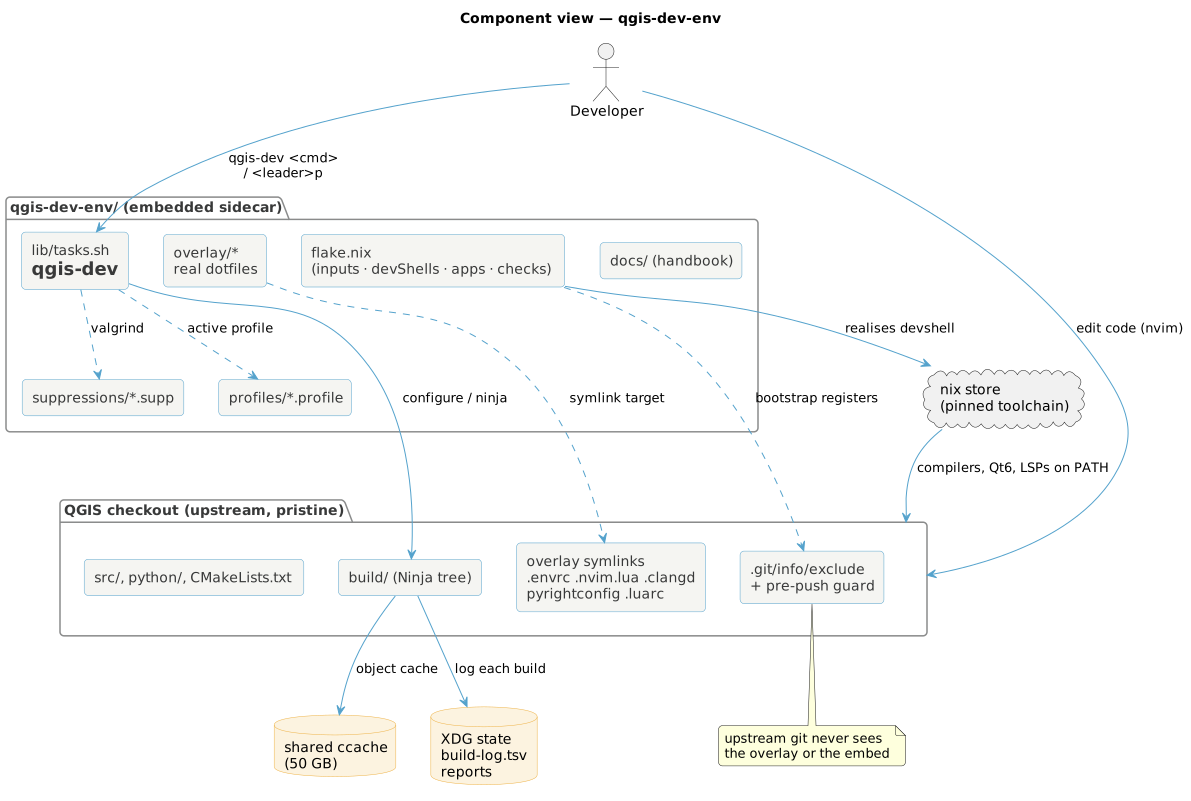
The QGIS checkout stays pristine: upstream sources, a build/ Ninja
tree, and a handful of overlay symlinks whose targets live in the
embedded sidecar. .git/info/exclude plus the pre-push guard keep all of
that invisible to upstream git.
The sidecar (qgis-dev-env/) owns everything real: the flake, the
qgis-dev task runner, the overlay dotfiles, build profiles, valgrind
suppressions and this handbook. The nix store provides the pinned
toolchain the flake realises; the shared ccache and XDG state
(build log, reports) sit outside any single checkout so they're shared
across worktrees.
Deployment view
Where each artefact physically lives on disk.
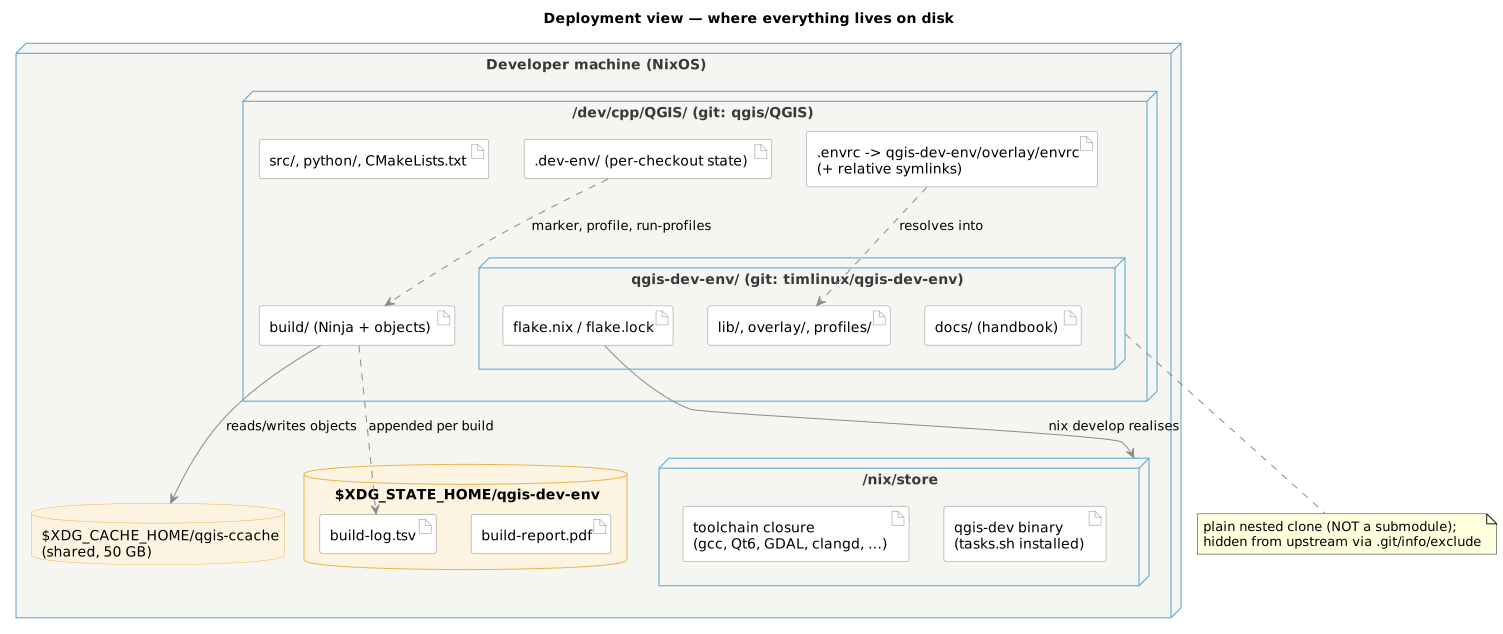
The load-bearing detail: qgis-dev-env/ is a plain nested git clone,
not a submodule. A submodule would leave a committable gitlink in the QGIS
index; a nested clone has no representation in the outer repo at all except
as an untracked directory — which the managed exclude block hides. That is
the whole trick that lets an AI-assisted toolkit live inside a checkout
whose upstream forbids AI contributions.